The revolution of artificial intelligence has arrived to reshape every aspect of our daily lives: how we work, learn, entertain ourselves, and even think. The hotel industry is no exception. Every day, operational management and administrative processes in accommodations are transformed by innovations that can make the difference between stagnation and growth—depending on how open one is to adopting new technologies.
Today, tourism—and particularly hospitality—operates in a market where technology plays a decisive role. Printed travel guides, agency catalogs, and family recommendations as the main sources to choose accommodation are long gone. Now, searches are done online, often with AI assistance, and bookings are made within seconds.
But be careful: this technological revolution favors those who know how to adapt—and can leave behind those who cling to traditional methods.
Over the past decade, countless smart solutions have been developed to optimize every aspect of hotel management. The goal is not to replace human warmth but to expand possibilities, save time and resources, and focus efforts on enhancing the guest experience.
How Artificial Intelligence Is Changing Hotel Management
The greatest value AI brings to the hospitality sector is automation, which translates into faster operations and happier guests. These technologies are evolving rapidly and can now be easily integrated into cloud-based PMS systems.
According to a starfleetresearch, 82% of hoteliers worldwide already use a cloud-based management system, but only 24% have fully embraced the advanced capabilities a modern PMS offers—limiting themselves to basic functions and missing out on the benefits of truly intelligent management.
Here are 7 innovations that are currently transforming hotel operations, streamlining processes, and maximizing value:
- 1) Intelligent and Dynamic Pricing Management
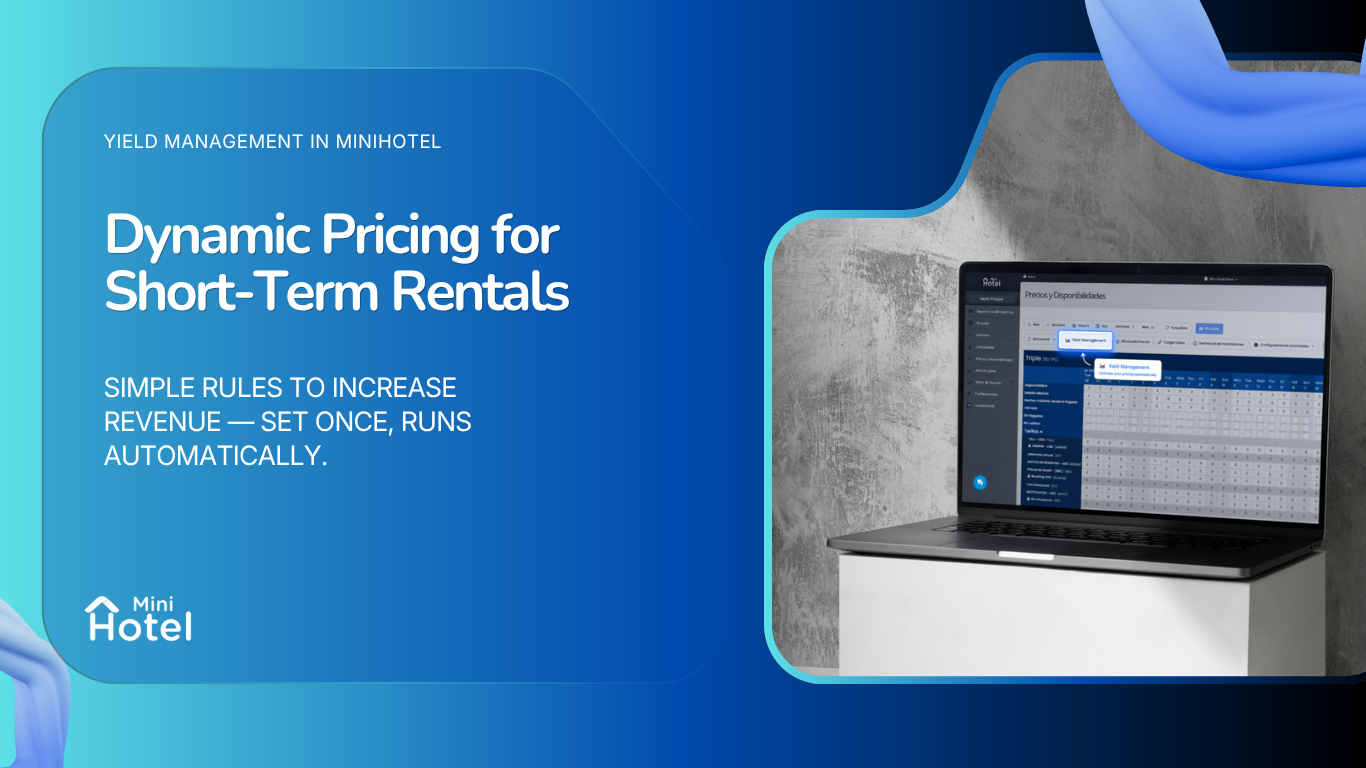
Smart pricing management automatically adjusts room rates based on demand, season, or competition. This tool analyzes market behavior in real time and suggests optimal prices to maximize occupancy and revenue. The hotel no longer relies on intuition or manual checks but on a data-driven revenue management strategy that is more accurate and profitable.
- 2) Chatbots and 24/7 Assistance
AI-powered chatbots provide instant support at any time of day, handling frequent questions, booking requests, or simple issues. Guests receive quick responses regardless of the hour, improving their experience and reducing the workload on front-desk staff.
- 3) Smart Locks for Check-in and Check-out
Smart locks simplify guest entry and departure, eliminating the need for physical keys or front-desk presence. With digital codes or mobile apps, travelers can access their rooms securely and independently. This enhances guest comfort and optimizes staff efficiency, especially in high-turnover properties.
- 4) AI-Based Booking Assistant on Websites and Social Media
An AI booking assistant integrated into the hotel’s website or social networks allows for direct reservations anytime. It understands user preferences, suggests rooms or promotions, and guides them through the booking process—helping the hotel increase direct sales and reduce dependency on OTAs.
- 5) Data Analysis
Data analysis turns everyday hotel information into strategic decisions. From occupancy patterns to guest behavior, this tool helps identify opportunities for improvement, adjust marketing strategies, and optimize profitability. Automated reports allow managers to anticipate trends and make evidence-based decisions.
- 6) Intelligent Inventory Management
Smart inventory management centralizes room availability, amenities, and supplies in one system. This avoids overbookings, losses, or shortages, ensuring real-time stock control. By automating availability updates across sales channels, it improves PMS-OTA synchronization and prevents errors or duplicates.
- 7) Digital Concierge
A digital concierge centralizes personalized guest attention through an app or online portal. Guests can request services, book activities, contact staff, or receive local recommendations—all in one place. It enhances the guest experience and reduces administrative workload, enabling high-quality service without expanding staff.
AI’s key role in hotel management lies in its ability to replicate human functions 24/7, providing continuous, efficient operation. These tools help reduce costs, minimize human error, and deliver personalized service tailored to each guest’s preferences and needs.
5 Strategies to Avoid Technological Stagnation
One of the greatest challenges in modern hospitality is finding a balance between acquiring new guests and managing daily operations.
According to a starfleetresearch, only 16% of small and medium-sized hotels worldwide dedicate most of their time to acquiring new clients and increasing bookings. In contrast, most spend over 50% of their time on operational tasks, leaving little room for strategic planning or commercial growth.
The same report found that around 40% of hoteliers cite lack of technological knowledge as the main reason for not adopting digital tools that could boost profitability and growth.
Here are 5 ways to avoid technological stagnation:
- 1) Set Aside Time to Grow — Operations Aren’t Everything:
The first step to breaking stagnation is redefining management priorities. Many hotels focus on solving daily issues, neglecting strategic planning. The key is to dedicate part of the week to attracting new guests, optimizing the direct channel, and improving OTA presence.
Using a cloud-based PMS that centralizes bookings, payments, and reports helps free up hours of manual work, allowing that time to be invested in commercial strategy and client acquisition.
- 2) Incorporate Conversational AI into Guest Service:
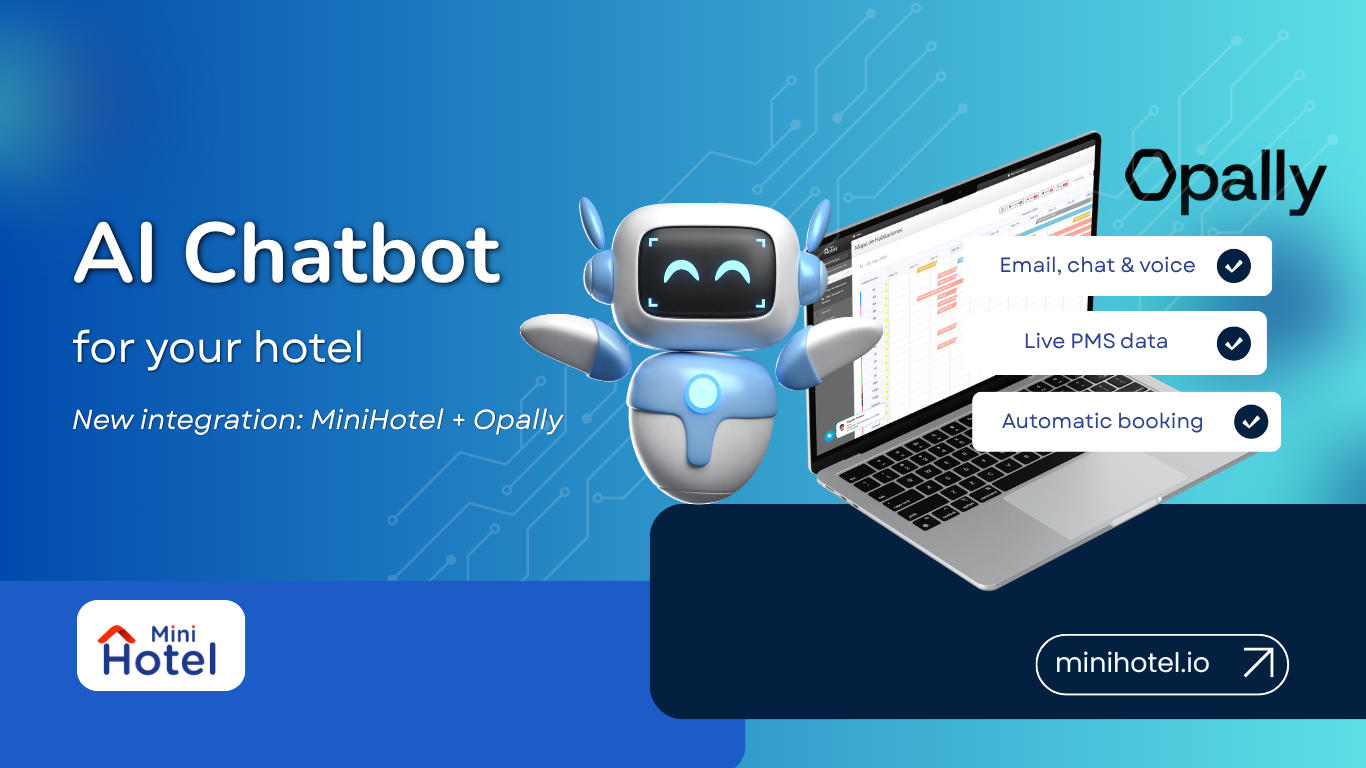
Adding a chatbot to your PMS is simple yet powerful. It enables automatic handling of every inquiry through the hotel’s usual channels—Website, WhatsApp, social media, or email—providing immediate, 24/7 support.
Every interaction can become a potential booking: the system can display availability, send room photos, provide personalized information, and even register new reservations, all in sync with the PMS.
- 3) Adopt Dynamic Pricing and Intelligent Revenue Management:
Dynamic pricing, or Yield Management, is one of the most effective strategies to increase profitability. This PMS-integrated feature automatically adjusts rates based on demand, availability, and market conditions—ensuring each room is sold to the right client, at the right time, and at the right price.
The Yield Manager analyzes multiple variables—such as occupancy, target audience behavior, competitors’ rates, and active sales channels—to make real-time recommendations. By leveraging data analytics, hotels can adapt their offers intelligently, respond to demand peaks, and maximize economic performance.
- 4) Automate Upselling to Boost Revenue:
Another key to avoiding stagnation is increasing revenue beyond the base booking. Automated upselling allows offering additional services—like room upgrades, early check-ins, late check-outs, breakfast, or local experiences—personalized for each guest and without manual intervention.
Integrating this feature into the PMS enables the system to detect the ideal moments to present offers, either before arrival or during the stay, thus increasing revenue per guest and enhancing their overall experience.
- 5) Invest in Digital Training and Data Analysis:
Lack of knowledge remains a major barrier. Investing in continuous tech training—even through short or remote courses—is essential to get the most from available tools.
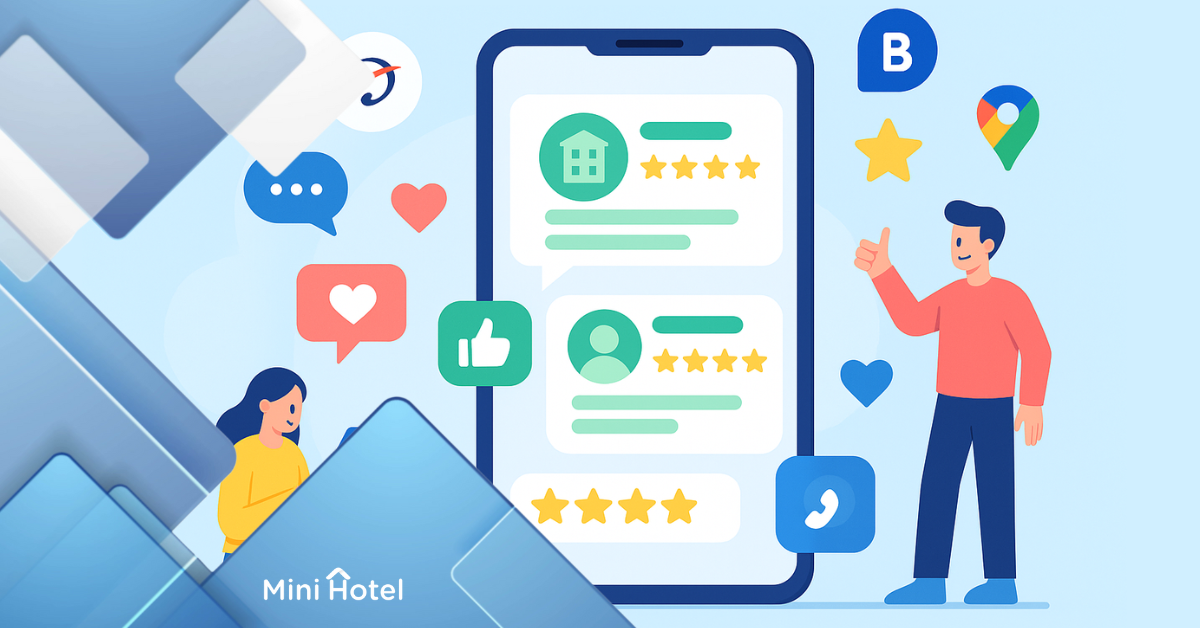
Learning to analyze guest data, automate tasks, or use smart dashboards has become a basic skill in today’s market. Understanding which channels drive more bookings or how online reputation evolves allows hoteliers to make informed, sustainable decisions.
Visit our marketplace and discover all the solutions we offer to take your hotel to the next level.